in #health-guides
5 min read
Symptoms of Liver Problems: Why So Many People Notice Too Late
A doctor shares the heartbreaking case of a couple with advanced liver disease and explains why early symptoms are so easy to miss, the red flags of advanced disease, and how to protect yourself before it is too late.
I recently saw a couple who both came in with yellow eyes and a swollen belly.
The tests showed something devastating. They both had advanced liver disease, and both had primary liver cancer.
They had apparently been living with hepatitis B and C without knowing it.
They were referred to a specialist, but the outcome was heartbreaking. One of them died shortly afterwards. The family wanted to protect the other from the news, so they weren't told right away. When they eventually found out, they died just a couple of days later.
That case has stayed with me. And the question I keep asking myself is this: how do two people get that far without knowing?
The answer is the reason I'm writing this.
Why liver problems go unnoticed
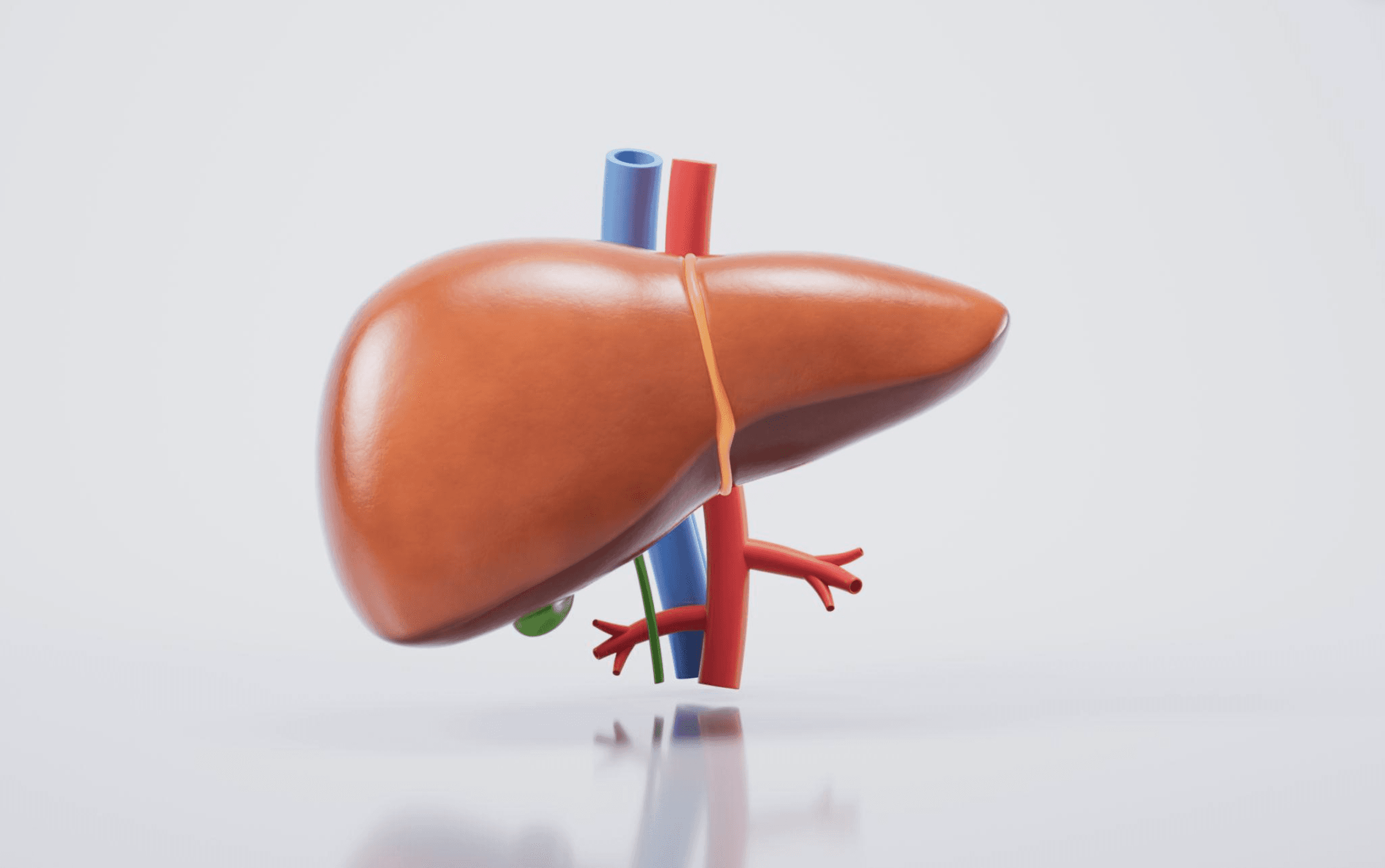
Your liver does a lot. It filters your blood, helps you digest food, stores energy, and clears out toxins and drugs.
It's also very tough. It can keep working even when a big part of it is damaged, so you can feel fine while the damage builds up in the background.
That's what happened with this couple. From the outside, nothing looked wrong for a long time. By the time they came to me, the liver had been taking the hits for years.
Early symptoms of liver problems
I can't tell you what this couple felt in the months before they came in. But I can tell you what people usually feel in the early stage, and why it gets ignored. The signs are mild and they look like everyday things:
- Tiredness that doesn't go away, even when you've rested
- Loss of appetite, or feeling full quickly
- Nausea or an upset stomach that keeps coming back
- Mild pain in the upper right side of your belly, under the ribs
- Weight loss you can't explain
When patients tell me about these in hindsight, the story is almost always the same: "I thought it was stress," "I thought it was just work," or "I thought it would pass." That's normal. Tiredness doesn't scare anybody.
But if these last more than a couple of weeks, don't explain them away. Get checked.
If any of this sounds like you, or someone at home, don't wait to see if it passes. You can book a doctor on Doxa Health and talk it through from where you are, or go to the nearest hospital and get checked.
Signs of advanced liver disease
These are the symptoms I saw when that couple walked in:
- Jaundice: yellow eyes and skin. The yellow in the whites of the eyes is often the first thing family members notice.
- Swollen belly: fluid builds up in the abdomen. Your clothes get tight and your stomach looks tense and enlarged.
- Swollen legs and ankles
- Dark urine, like tea or cola
- Pale or clay-coloured stool
- Itchy skin all over, with no rash
- Easy bruising or bleeding, like nosebleeds or bleeding gums
- Vomiting blood or passing black stool. This is an emergency.
- Confusion, unusual sleepiness, or a change in behaviour. When the liver can't clear toxins, they affect the brain.
By the time yellow eyes and a swollen belly show up, the liver has usually been struggling for a long time. These aren't early signs. They're what the disease looks like when it's already advanced. That's the point I want you to take from the couple's story.
If you or someone close to you has any of these, please don't wait, and don't start with herbal mixtures. Go to the nearest hospital and get checked. If you're not sure how serious it is, you can also book a doctor on Doxa Health and they can tell you what to do next.
What causes liver problems?
Several things can cause it:
- Hepatitis B and C. This is what the couple had. These viruses can sit in the body for years without symptoms, and over time they can lead to cirrhosis (scarring of the liver) and liver cancer.
- Alcohol
- Fatty liver, linked to being overweight, diabetes, and poor diet
- Some drugs and herbal preparations taken without guidance
- Other infections and autoimmune conditions
Hepatitis B and C worry me the most, because of exactly what happened here. Someone can carry the virus for years, feel completely healthy, and have no idea.
Why waiting for symptoms is the biggest mistake
Think about what that couple went through. They came in with symptoms, and by then the answer was already a hard one. Then, because the family wanted to protect them, one of them heard the news late and had only days left.
I understand why families do that. But it also shows how little time was left once the disease was out in the open.
Here's what can change that:
- Get vaccinated against hepatitis B. It's safe and it works.
- Get screened if you have risk factors. Talk to a doctor about testing for hepatitis B and C if any of these apply to you: you've never been tested, you've had blood transfusions or surgery in the past, you've shared sharp items like razors or needles, a family member has hepatitis or liver cancer, or you drink alcohol regularly.
Not sure if you've ever been tested? A doctor on Doxa Health can tell you which tests to ask for.
If you test positive, don't assume feeling well means you're fine. Hepatitis C can often be cured with treatment, and hepatitis B can be controlled. But follow-up has to start before the liver is badly damaged.
When should you see a doctor?
See a doctor if:
- You have yellow eyes or skin
- Your belly or legs are swelling
- Your urine is dark or your stool is pale
- You're tired, losing weight, or have no appetite and can't explain why
- You've never been tested for hepatitis and you have risk factors
- Go to the emergency room right away if you vomit blood, pass black stool, or become confused or hard to wake.
Don't wait like they did
That couple never had the chance to ask the question early. You do.
If any of this sounds familiar, you don't have to work it out alone. On Doxa Health, you can talk to a verified doctor from wherever you are. Every doctor on the platform is checked before patients can see them. Whether it's here or at the nearest hospital, just get it checked.
Book an online consultation or download the app to speak with a doctor.
Frequently asked questions
- Can you have a liver problem without symptoms?
- Yes. Hepatitis B, hepatitis C, and fatty liver can all damage the liver for years without clear symptoms. That's why screening matters.
- What is the first sign of liver problems?
- It's often tiredness, loss of appetite, or mild pain on the upper right side of the belly. Yellow eyes usually come later.
- Is jaundice always a sign of liver disease?
- Not always, since other conditions can cause it too. But it should always be checked by a doctor quickly.
- Can hepatitis B and C be treated?
- Yes. Hepatitis C can often be cured with antiviral treatment, and hepatitis B can be controlled. Early diagnosis makes a big difference.
- How do I know if I have hepatitis B or C?
- Only a blood test can tell you. A doctor can advise you on which tests you need.
Sometimes the most dangerous diseases are the ones that don't announce themselves until very late.
This article is for information only and does not replace seeing a doctor. If you have symptoms, please speak to a healthcare professional.
- #liver health
- #symptoms of liver problems
- #hepatitis B
- #hepatitis C
- #jaundice
- #liver disease
- #telemedicine Nigeria
- #Doxa Health

Written by
Dr. Samson Salvation
Co-founder and Project Manager